

Vilnius Prison undertakes research to measure the quality of prison life
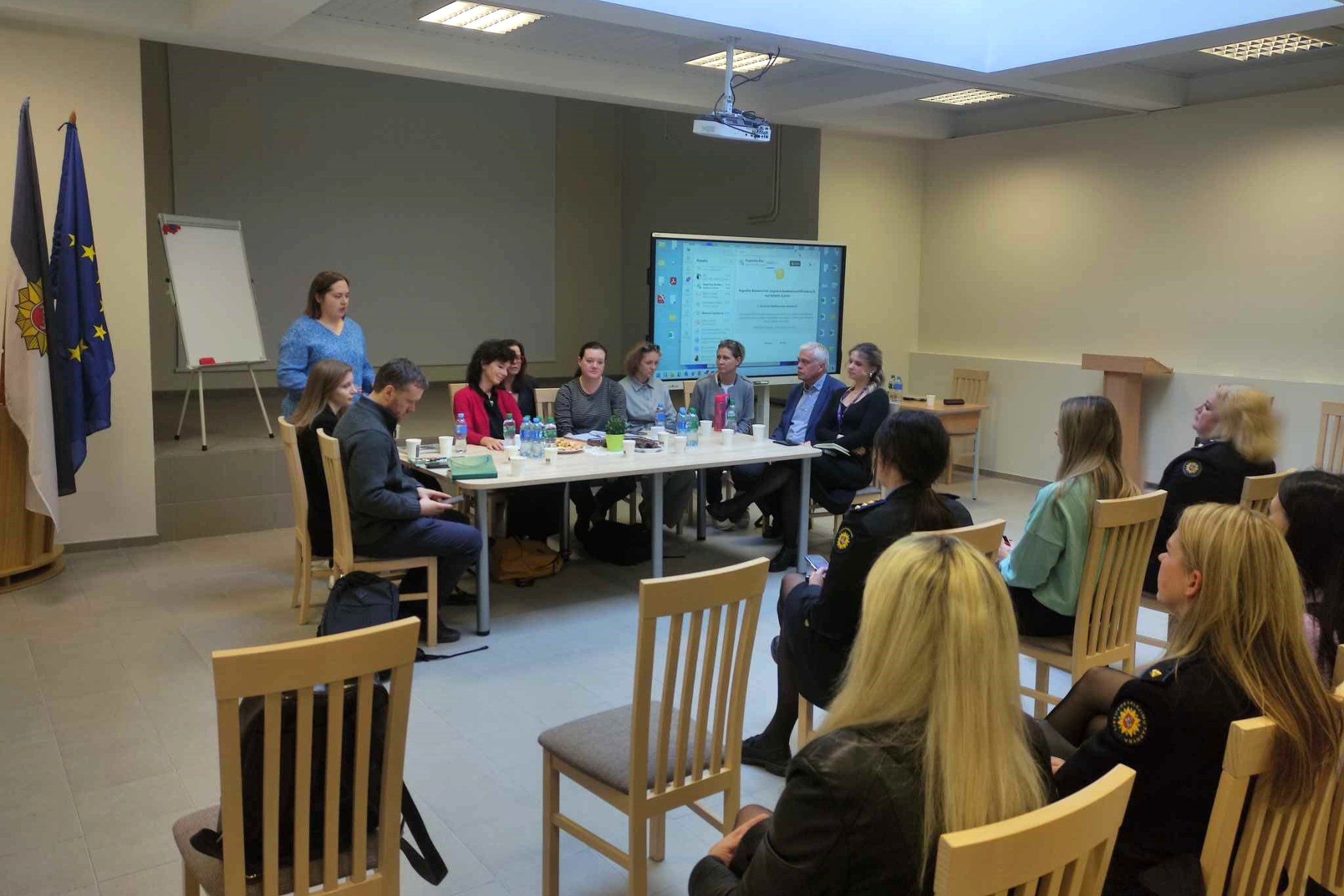
From May 8 to May 10, Vilnius Prison of Lithuanian Prison Service hosted esteemed researchers from the Prison Research Centre at Cambridge University: Professor Alison Liebling, the Director, and Dr Katherine Auty. The visit aimed to introduce the Measuring the Quality of Prison Life methodology to Lithuanian researchers and discuss research scheduled between May and July 2024. The methodology was developed by the researchers and used in different countries worldwide.
The primary objective of the research is to gather data for evaluating the quality of life for both prison staff and inmates within the prison and to provide guidelines for enhancing working and living conditions. Previous studies have shown that well-organised, well-managed, safe, and supportive prisons, where inmates are treated humanely, contribute to their personal development, improve reintegration outcomes upon release, and reduce re-offending. Adequate working conditions for prison staff are crucial in ensuring the humane treatment for inmates.
Similar research was conducted in 2022, making this initiative a follow-up to assess not only the current state but also changes observed over the past two years. Moreover, it will evaluate the effectiveness of measures implemented to address previously identified issues. Employing both quantitative and qualitative methodologies, the study will involve administering questionnaires to prison staff and inmates and conducting brief interviews concerning the quality of life within the prison.
The research falls under the Project Development of Quality Based Lithuanian Correctional Service System (PDP 3) implemented under the EEA and Norwegian Financial Mechanisms programme Justice and Home Affairs 2014-2021. The research team comprises six members from Lithuanian Prison Service and various research institutions. During their visit, Professor Alison Liebling and Dr. Katherine Auty delivered a comprehensive presentation covering methodological aspects of the study, data processing procedures, strategies for disseminating results, and offered practical insights.
Discussions during the engagements with researchers, scholars and prison officers focused on the specifics of Vilnius Prison, findings from prior research, the impact of implemented interventions, prison officers shared insights into the challenges faced in their respective roles. Prof. Alison Liebling and Dr Katherine Auty provided insights into their professional pursuits and academic endeavours, addressed queries from participants. The researchers and the research team toured Vilnius Prison facilities, including accommodations, workplaces, and other premises, engaged in discussions with inmates and prison staff about life and work within the prison environment.