

The Lithuanian Prison Service Strengthens International Cooperation in Vocational Training for Inmates
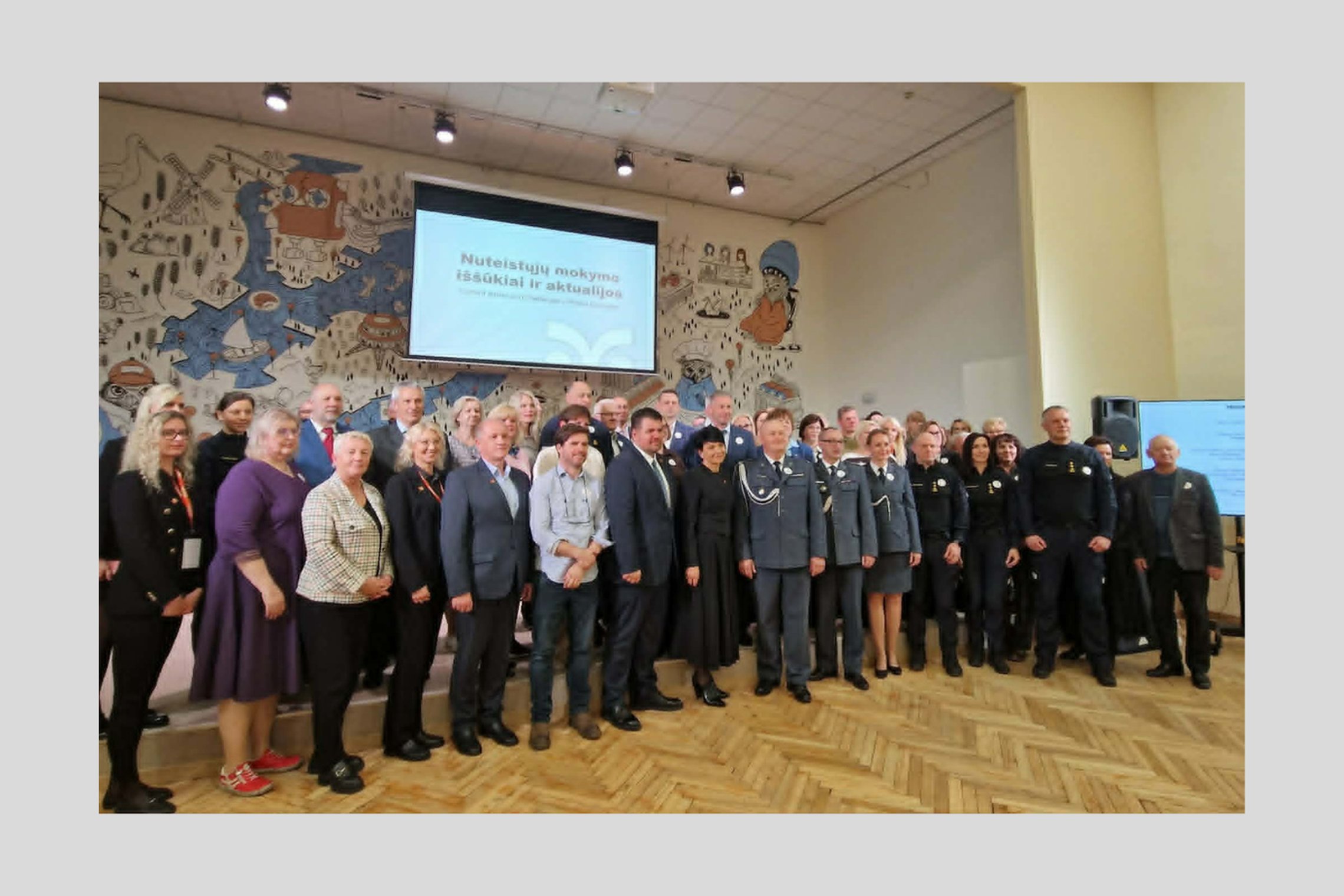
The Lithuanian Prison Service continues to strengthen international cooperation aimed at improving vocational training and rehabilitation opportunities for inmates. Valuable experience and best practices are being exchanged with international partners, including representatives from the Sztum Prison in Poland, the Rýnovice Prison in the Czech Republic, and the Irish prison system. This international dialogue enables the identification and implementation of progressive solutions that contribute to more effective inmate reintegration into society.
Vocational training in prisons is an important component of the resocialization process and has significance not only for the correctional system, but also for society as a whole. By providing inmates with opportunities to gain professional knowledge and practical skills, vocational education helps build self-confidence, encourages personal development, and strengthens the foundations for successful independent living after release.
Special attention is being devoted to discussing current learning trends, challenges, and the evolving educational needs of inmates at both national and international levels. Today, the organization of vocational training within correctional institutions requires not only a clear legal framework, but also close interinstitutional cooperation, practical and innovative solutions, and the flexibility to respond to rapidly changing labour market demands.
The Lithuanian Prison Service consistently works to ensure that inmates have access to formal education opportunities. Vocational training programs are currently implemented in cooperation with vocational education institutions across prisons throughout Lithuania. Every year, hundreds of inmates choose education as a meaningful pathway toward personal transformation and successful social integration. This demonstrates that vocational training is not merely a formal requirement, but a genuine opportunity to build a different future.
An equally important aspect of this initiative is the broad participation of representatives from various sectors, including government institutions, vocational education professionals, and international and Lithuanian partners. Such cooperation creates a valuable platform for sharing expertise, examining common challenges within a broader European context, and jointly seeking sustainable and effective solutions.
The discussions emphasize that high-quality vocational training can become one of the key factors in reducing re-offending. Investments in education, professional skills, and human potential contribute directly to safer communities and more successful long-term social reintegration.
Through ongoing dialogue and international cooperation, the Lithuanian Prison Service seeks to further improve the quality of vocational education, strengthen partnerships, and create more effective opportunities for the rehabilitation and reintegration of former offenders into society.