

A new tool for resocialisation of inmates: the TOG unit
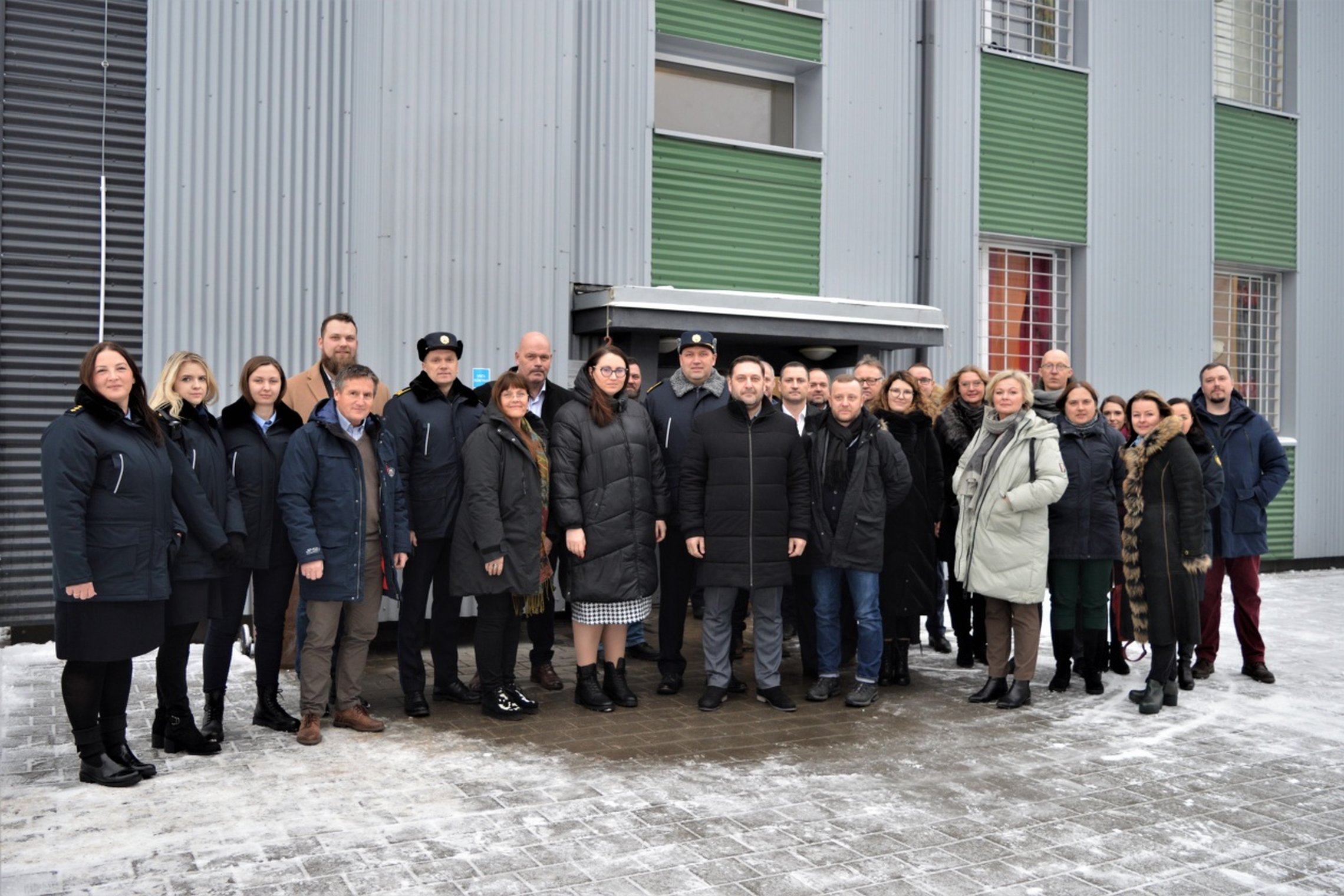
The TOG unit was opened in the Pravieniškės Correction House–Open Prison Colony, where the work with prolific reoffenders will be implemented in line with the Norwegian program. Such a unit is the only one in the Lithuanian prisons so far and is an important step forward for the penitentiary system.
TOG in Norwegian means “the train” which is symbolic as it focuses on the resocialisation of prolific reoffenders, bringing together the human resources of all the facilities of the penitentiary system. TOG aims to create a constructive model of cooperation between the prison and the probation service. Constructive cooperation is established between probation officers, who assist prison staff in preparing an inmate for the probation process, and prison staff, who are involved in the process of follow-up during the probation period. Proper planning of the resocialisation of inmates and close monitoring of behavioural changes may reduce the risk of reoffending. Furthermore, when it comes to conditional release for the group of inmates who are at the highest risk of reoffending close cooperation with external partners involved in the resocialisation process should be crucial.
“Reducing reoffending is one of the key objectives of the effective sentencing policy. I am sure that the experience shared by our colleagues from Norway will in the long run not only reduce the prison population, but will also strengthen inter-institutional cooperation by involving the NGO sector in the successful resocialisation of inmates” said Ms Ewelina Dobrowolska, the Minister of Justice, who attended the opening of the TOG.
Mr Virginijus Kulikauskas, Director General of the Prison Department, hopes that the TOG unit opened in the largest prison will not be the only one; in future, after the successful adoption of the model, an expansion of the TOG units is planned.
“Another innovative programme of the Norwegian penitentiary system has been launched in Lithuania, which is focused on the team work changing inmate behaviour and providing quality working conditions for staff”, said Mr Virginijus Kulikauskas.
The Norwegian delegation, as a forerunner of the project, also had a look at the TOG to be implemented in Lithuania. The delegation, led by Mr Kim Ekhaugen, Director of International Unit, Directorate of Norwegian Correctional Service, not only shared their working model, but also explained their own way of work.
“We welcome the fact that Lithuania is adopting Norwegian best practices, investing in its staff and infrastructure. The dynamic security model not only facilitates to support inmates, but also puts the emphasis on the well-being of staff. The staff is the core element in motivating inmates for change, so the focus on staff, the improvement of the infrastructure and the promotion of good communication between inmates and staff shall support inmates on their path to change,” said Mr Kim Ekhaugen.
The management of the Ministry of Justice and the Prison Department, as well as guests from Norway, were shown around the premises for TOG, and met with inmates (currently 8 inmates are participating in TOG) and staff who implement the program.
Prolific Reoffenders Program (TOG) has been available in Norway since 2001. A TOG unit in the Pravieniškės Correction House–Open Prison Colony is funded by the Norwegian Financial Mechanism.
Last updated: 24-04-2024
Related news:
An Overview of the Norway Grants Period and the Outcomes Achieved
Lithuanian Prison Service Opens Second TOG Unit at Vilnius Prison
Partners from Norway visit Marijampolė and Kaunas prisons
Cadets from Competence Development Centre Gain Valuable Insights from Norwegian prisons