

An Overview of the Norway Grants Period and the Outcomes Achieved
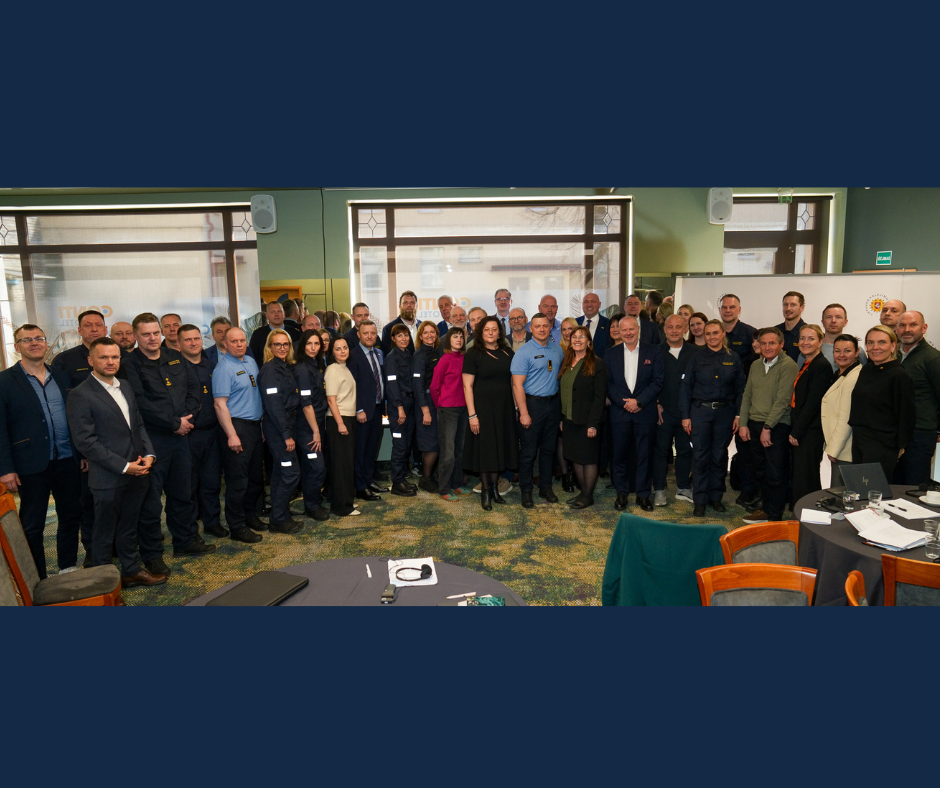
An evaluation seminar held on 3 April in Vilnius marked the successful conclusion of the 2014–2021 period of the EEA and Norway Financial Mechanism Programme in the field of Justice and Home Affairs. Hosted by Lithuanian institutions in collaboration with Norwegian partners, the event brought together key stakeholders to reflect on the progress and outcomes achieved through the joint project Development of a Quality-Based Lithuanian Correctional Service System.
The seminar welcomed a Norwegian delegation led by Kim Ekhaugen, Head of International Cooperation at the Norwegian Directorate of Correctional Services, alongside representatives from the Lithuanian Ministry of Justice, the Prison Department, and probation services.
"The Norway Grants have made a significant contribution to a more progressive correctional system in Lithuania based on respect for human rights and justice," said Mindaugas Kairys, Director General of the Lithuanian Prison Service. "We are grateful to our Norwegian partners for their long-term cooperation and continued financial and expert support."
Two new TOG units, modelled on Norwegian best practices, were established in Pravieniškės and Vilnius prisons. These units focus on rehabilitating individuals with a high risk of re-offending, marking a transformative step in Lithuania’s correctional approach. The programme facilitated the opening of four new halfway houses in Lithuania, enhancing transitional support for individuals reintegrating into society. This builds on earlier achievements and strengthens the country’s resocialisation infrastructure. During the programme period, the electronic monitoring of inmates has been a major focus. The electronic monitoring system has been applied in Lithuania since 2012, and since 2020, within the framework of the project financed by the Norway Grants under the Justice and Home Affairs Programme to improve the quality of Lithuania's correctional system, new advanced technologies have been acquired, which allow to ensure continuous monitoring of a larger number of inmates. The programme supported a major upgrade to Lithuania’s electronic monitoring capabilities. With the procurement of 1300 new devices since 2022, authorities can now monitor a significantly larger number of individuals. The role of electronic monitoring has also evolved into a comprehensive resocialisation tool applicable across multiple sentencing types.
Correctional staff benefited from extensive training, exchange visits, and professional development opportunities both domestically and internationally, fostering a more skilled and human-rights-oriented workforce. For the first time, the Measuring the Quality of Prison Life (MQPL) survey was conducted in Vilnius and Pravieniškės Prison No. 1. This in-depth study offers insights into inmates' quality of life and staff working conditions, providing a data-driven foundation for future reforms.
Looking ahead, seminar participants explored potential initiatives for the upcoming period of the EEA and Norway Grants, aiming to build on the solid foundation laid during 2014–2021.
Last updated: 07-04-2025
Related news:
Lithuanian Prison Service Opens Second TOG Unit at Vilnius Prison
Partners from Norway visit Marijampolė and Kaunas prisons
Cadets from Competence Development Centre Gain Valuable Insights from Norwegian prisons
Lithuanian Prison Governors Undertake Internship in Norway
Halfway House Workshop Produces Camouflage Nets for Ukrainian Defenders