

Other information
The Project aims to ensure efficient and successful inmates’ resocialization by developing the Lithuanian penitentiary staff professional training, education and competence building system as well as by creating better custodial, inmates’ resocialization, employment and vocational training conditions.
Project Promoter – Lithuanian Prison Service (hereinafter – Prison Service).
Tasks of the Projects:
- To improve inmates’ resocialization and interagency cooperation:
Development and implementation of criminal risk assessment system;
Development and implementation of interventions for criminal risk reduction and positive employment measures;
In cooperation with NGOs, development and implementation of a throughcare model for inmates from a correctional facility, half-way house, probation ;
E-services to inmates;
Development of dynamic security model.
- To reorganize the Lithuanian penitentiary staff professional training, education and competence building system:
Development of a professional training institution model;
Drafting of curriculum, course modules, descriptions and methodologies;
Organization and realization of the training process;
Establishment of practical training units in prisons;
Shaping the image of the penitentiary system.
- To build the infrastructure of a cell-type residential housing with an inmates’ employment centre in Vilnius Prison and an inmates’ employment centre with the premises for inmates’ resocialization in Pravieniškės Prison No 1 in line with the needs of the Lithuanian penitentiary staff professional training, education and competence building and in compliance with the European standards; and develop electronic monitoring:
Engineering services;
Development of infrastructure (construction of the Professional Training Institution and a residential housing of 200 beds with inmates’ employment centre in Vilnius Prison, and an inmates’ employment centre with the premises for inmates’ resocialization in Pravieniškės Prison No 1);
Procurement of furniture, inventory, office equipment;
Development of electronic monitoring.
Project implementation period: 20 August 2020 – 30 April 2024
Project budget: 19 020 728 eur
The Project is funded by the Norwegian Financial Mechanism 2014-2021 and co-financing.
Target groups of the Project:
Staff of Lithuanian Prison Service and sentenced inmates shall be direct beneficiaries of the Project.
Indirect beneficiaries of the Project shall be the Lithuanian residents and inmates’ relatives.
Lithuanian Prison Service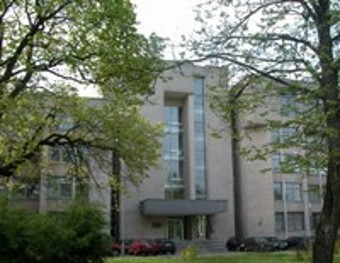 Lithuanian Prison Service (hereinafter – Prison Service) aims to methodically manage and control the activities of custodial facilities.
The Prison Service participates in the national penitentiary policy shaping process by organizing, coordinating and controlling the appropriate and unified implementation of criminal sanctions, penal and educational measures, and pre-trial detention in the institutions subordinate to the Prison Service.
Institutions subordinate to the Prison Service:
- Alytus Prison;
- Marijampolė Prison;
- Panevėžys Prison;
- Pravieniškės Prison no 1;
- Pravieniškės Prison no 2;
- Vilnius Prison;
- Šiauliai Prison;
- Kaunas Prison;
- Competence Board of Lithuanian Prison Service.
The Prison Service is the project applicant and promoter responsible for the proper implementation of the project.
More information: https://kalejimai.lrv.lt/en/
Alytus Prison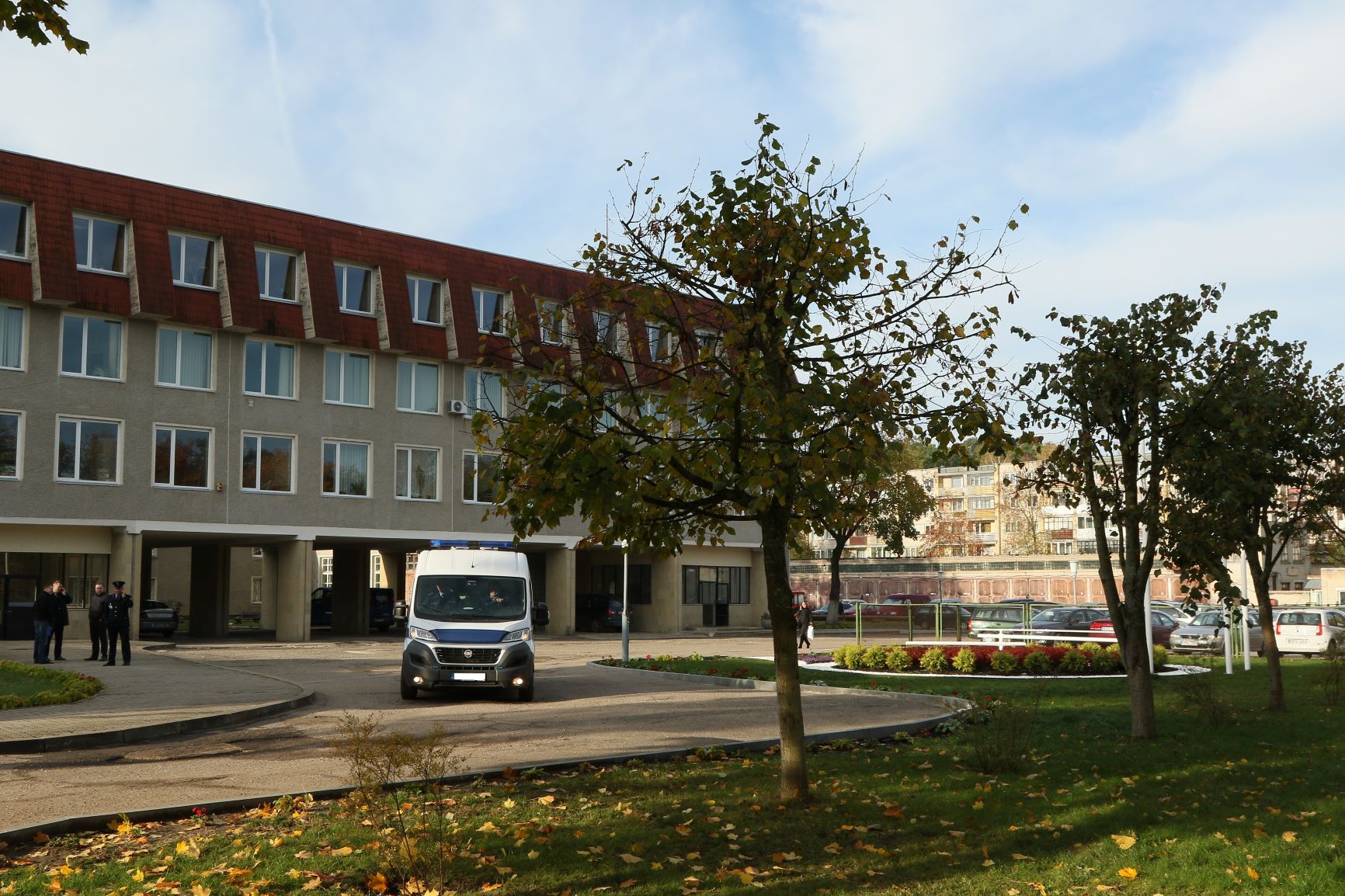 Alytus Prison focuses on implementing the national policy by carrying out pre-trial detention, arrest and custodial sentences of offenders sentenced to serve a custodial sentence in prison, a correction house or an open prison colony.
Alytus Prison is responsible for safety, supervision and isolation of inmates placed in the institution as well as for their material provision and living conditions that respect human dignity and comply with the Lithuanian hygiene standards; the institution implements social work with pre-trial detainees and social rehabilitation of sentenced inmates, organizes inmates’ employment and other purposeful activities and carries out any other functions outlined in the legislation.
Alytus Prison together with NGOs will be involved in the development of the throughcare model for inmates from prison, a halfway house, probation to life in community. During the project implementation, Alytus Prison will adopt work experience and good practices and follow up on the principles of dynamic security. It will also adopt good practices and professional experience in practical training of penitentiary officers from Kriminalomsorgen Innlandet and Bredtveit prison.
Marijampolė Prison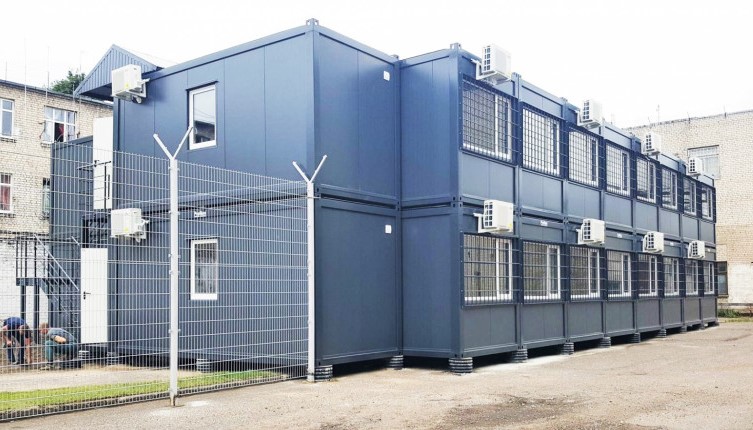 Marijampolė Prison focuses on implementing the national policy by carrying out pre-trial detention, arrest and custodial sentences of offenders sentenced to serve a custodial sentence in prison, a correction house or an open prison colony.
Marijampolė prison is responsible for safety, supervision and isolation of inmates placed in the institution as well as for their material provision and living conditions that respect human dignity and comply with the Lithuanian hygiene standards; the institution implements social work with pre-trial detainees and social rehabilitation of sentenced inmates, organizes inmates’ employment and other purposeful activities and carries out any other functions outlined in the legislation.
Marijampolė Prison together with NGOs will be involved in the development of the throughcare model for inmates from prison, a halfway house, probation to life in community. During the project implementation, Marijampolė Prison will adopt work experience and good practices and follow up on the principles of dynamic security. It will also adopt good practices and professional experience in practical training of penitentiary officers from Kriminalomsorgen Innlandet and Bredtveit prison.
Pravieniškės Prison No 1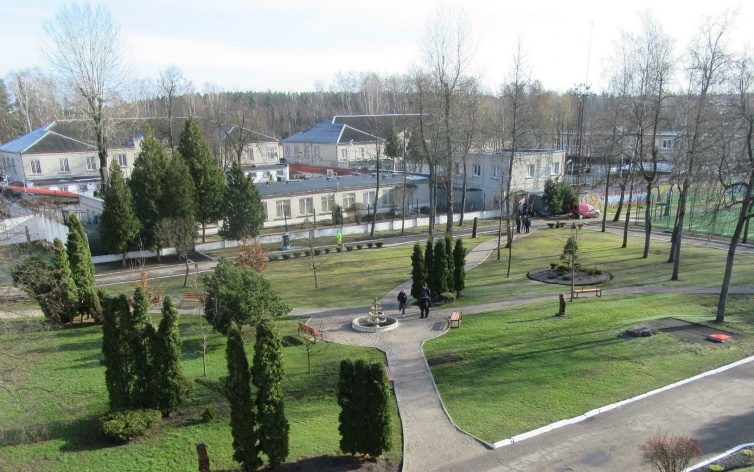 Pravieniškės Prison No 1 focuses on implementing the national policy by carrying out pre-trial detention, arrest and custodial sentences of offenders sentenced to serve a custodial sentence in prison, a correction house or an open prison colony.
Pravieniškės Prison No 1 is responsible for safety, supervision and isolation of inmates placed in the institution as well as for their material provision and living conditions that respect human dignity and comply with the Lithuanian hygiene standards; the institution implements social work with pre-trial detainees and social rehabilitation of sentenced inmates, organizes inmates’ employment and other purposeful activities and carries out any other functions outlined in the legislation.
During the project implementation at Pravieniškės Prison No 1, a modern penitentiary infrastructure will be developed which will meet the international human rights standards and the needs of the penitentiary staff of the facility. The occupation of inmates will be organized in line with the practice and knowledge adopted from Kriminalomsorgen Innlandet and Bredtveit prison. The provision of services to inmates will be modernized, intervention programs and measures to reduce the criminal risk will be adapted. The motivated penitentiary staff will facilitate adoption and efficient adaptation of the principles of dynamic security used by the correctional officers of the Kingdom of Norway. A practical training centre for the correctional officers will be established. Pravieniškės Prison No 1 will also participate in the process of throughcare for inmates from custody to community.
Vilnius Prison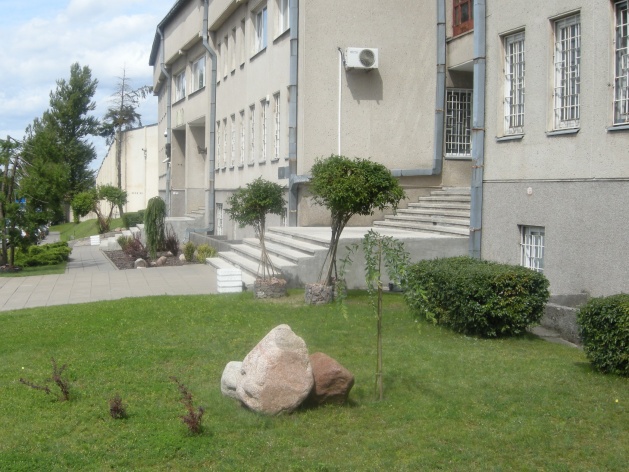 Vilnius Prison focuses on implementing the national policy by carrying out pre-trial detention, arrest and custodial sentences of offenders sentenced to serve a custodial sentence in prison, a correction house or an open prison colony.
Vilnius Prison is responsible for safety, supervision and isolation of inmates placed in the institution as well as for their material provision and living conditions that respect human dignity and comply with the Lithuanian hygiene standards; the institution implements social work with pre-trial detainees and social rehabilitation of sentenced inmates, organizes inmates’ employment and other purposeful activities and carries out any other functions outlined in the legislation.
During the project implementation at Vilnius Prison, a modern penitentiary infrastructure will be developed which will meet the international human rights standards and the needs of the penitentiary staff of the facility. The practice and knowledge will be adopted from Kriminalomsorgen Innlandet and Bredtveit prison and a modern centre for training, vocational training and occupation of inmates will be established. The provision of services to inmates will be modernized, intervention programs and measures to reduce the criminal risk will be adapted. The motivated penitentiary staff will facilitate adoption and efficient adaptation of the principles of dynamic security used by the correctional officers of the Kingdom of Norway. A practical training centre for the correctional officers will be established. Vilnius Prison will also participate in the process of throughcare for imates from tcustody to community.
Kaunas Prison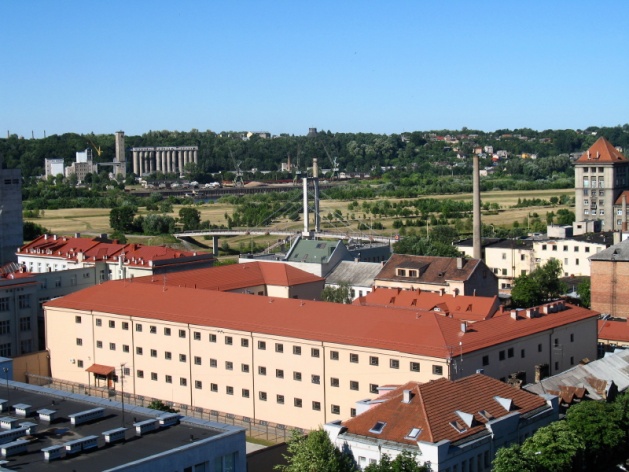 Kaunas Prison focuses on implementing the national policy by carrying out pre-trial detention, arrest and custodial sentences of offenders sentenced to serve a custodial sentence in prison, a correction house or an open prison colony.
Kaunas Prison is responsible for safety, supervision and isolation of inmates placed in the institution as well as for their material provision and living conditions that respect human dignity and comply with the Lithuanian hygiene standards; the institution implements social work with pre-trial detainees and social rehabilitation of sentenced inmates, organizes inmates’ employment and other purposeful activities and carries out any other functions outlined in the legislation.
During the project implementation, Kaunas Prison will engage in the development and implementation of START: AV, a criminal risk assessment tool for adolescents. It will adopt work experience and good practices and follow up on the principles of dynamic security.
Competence Board of Lithuanian Prison Service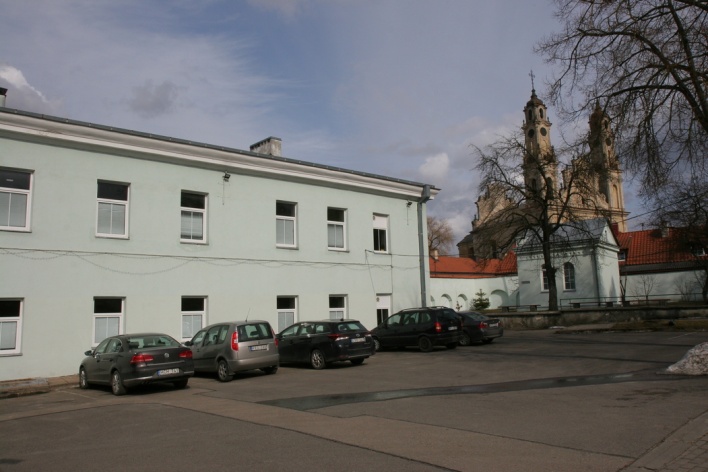 Competence Board of Lithuanian Prison Service (hereinafter – Competence Board) is a vocational education institution, which focuses on training cadets to obtain qualifications and competence necessary for correctional officers, and to upgrade the competence of correctional officers and staff.
Competence Board provides vocational and introductory education and competence upgrading for the penitentiary staff.
Once the project is completed,Competence Board will become the bridging institution for the Lithuanian penitentiary system, where practical and scientific knowledge is accumulated, organized, updated and used for staff training, and relevant research is carried out. During the lifetime of the project, a new staff competency framework will be developed, existing and new strategic documents of the training institution will be revised, curricula for correctional officers of all ranks, teachers, instructors will be drawn up, the correctional officer modular vocational education program will be updated, the Norwegian practical training model for correctional officers will be adapted and positive experience of correctional officers’ work adopted. A modern, innovative training infrastructure will be created to meet the training, qualification upgrading and retraining needs of correctional officers, cadets, professionals, social workers.
Lithuanian Probation Service Lithuanian Probation Service is the institution subordinate to the Ministry of Justice of the Republic of Lithuania, which focuses on implementing the national policy on probation, community services and restriction of freedom, penal and educational measures; and conducts an investigation of an offender's social environment, criminogenic factors, other circumstances that may help the court to individualize the conditions of probation.
During the implementation of the project, the Lithuanian Probation Service will draw up a strategy on electronic monitoring devices by adopting the experience and knowledge of the Oslo Probation Service, and intervention tools used by the Norwegian partners for criminal risk reduction will be adapted. The Lithuanian Probation Service will engage in the development and implementation process of START: AV, a criminal risk assessment tool for adolescents. The probation officers will broaden their scope of work following the Norwegian model of walking inmates from the correctional facilities, and the work with future probationers will be started at the correction house involving NGOs in the process of inmates’ resocialization.
More information: https://probacija.lrv.lt/en/
Kriminalomsorgen Innlandet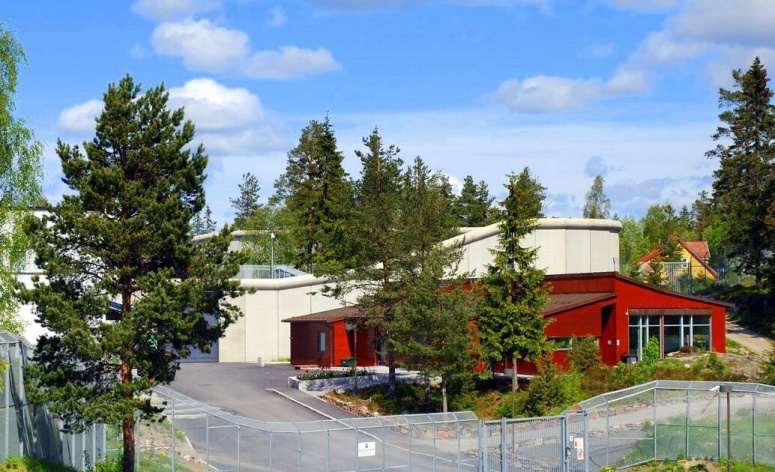 Kriminalomsorgen Innlandet consists of the former units Vestoppland prison, Hedmark prison, Hedmark and Oppland probation office and Kongsvinger prison. The purpose of merging the units is to establish a seamless execution of sentences under a joint management. Following the merger, Kriminalomsorgen Innlandet is Norway's largest prison and probation unit.
During the project implementation, Kriminalomsorgen Innlandet will consult on the application of dynamic security principles. They will also participate at the joint meetings of the partners, disseminate knowledge on the issues of inmates’ resocialization, supervision, training, release; share its experience of collaboration with NGOs, probation services, other social partners; facilitate the establishment of the practical training centres for the correctional officers in Lithuania.
https://www.kriminalomsorgen.no/innlandet-kriminalomsorgen-innlandet-avd-samfunn-hamar.5024841-237841.html
Bredtveit Prison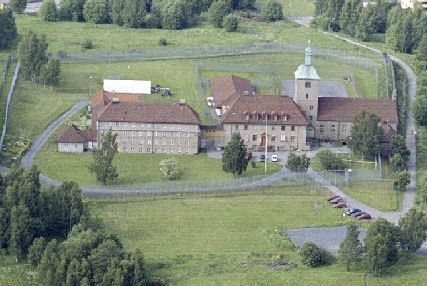 Bredtveit Prison is a nationwide institution for female prisoners. The Prison has a high security and low security units. Low security unit in collaboration with public organizations is focused on inmates’ preparation for release, addiction treatment.
During the project implementation, Bredtveit prison will share good practices and professional experience in practical training of penitentiary officers, facilitate the establishment of the practical training centres for the correctional officers in Lithuania. They will also advise on the training of internship mentors and on the issues of dynamic security; participate at the joint meetings of the partners, disseminate knowledge on the issues of inmates’ resocialization, supervision, training, conditional release; share its experience of collaboration with NGOs, probation services, other social partners.
https://www.kriminalomsorgen.no/bredtveit-fengsel-og-forvaringsanstalt.5022891-237612.html
University College of Norwegian Correctional Service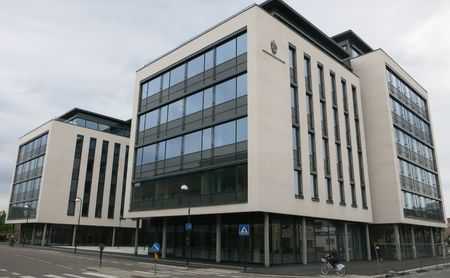 University College of Norwegian Correctional Service (KRUS) offers the only primary education for prison officers in Norway through an accredited two-year programme leading to the degree University College Graduate in Correctional Studies. It also offers a supplementary course for students wanting to achieve a Bachelor's Degree in Correctional Studies. In addition to the primary education, KRUS also offers non-accredited further education and is responsible for planning, teaching, and hosting a number of courses and conferences for employees of the correctional services and partner organisations. KRUS is a centre of knowledge for the correctional services and partners, as well as being involved in research and professional development.
During the project implementation, the University College of Norwegian Correctional Service (KRUS) will facilitate its Lithuanian partners to adopt and adapt interventions for reduction of criminal risk, positive occupation tools for inmates, dynamic security development methods. It will also participate in the training for senior management, vocational teachers of correctional officers, program trainers and internship mentors.
https://www.krus.no/english.511948.no.html
Oslo Probation Office
There are 17 probation offices in 40 locations. Probation offices are responsible for the implementation of community sanctions, like the community sentence, the program against intoxicated driving, release on license, home detention with or without electronic monitoring, and for the writing of pre-sentence reports. The probation office in charge of implementing the sentence will then carry out an intake with the offender and establish the contents in the sentence. This may consist of (a part with) unpaid work and other activities that are deemed to be important for preventing re-offending for the individual offender.
During the project implementation, Oslo Probation Office will share the practical experience on the use of electronic monitoring tools, will facilitate drawing up of the strategy for the use of electronic monitoring tools in Lithuania. They will also present the interventions to reduce the criminal risk, assist in their adaptation for the use in Lithuania and take part in the preparation of manuals for the programs; share their long-standing experience on improving inmates’ resocialization in close cooperation between Oslo Probation Offices, Oslo Halfway House and officials of the correctional facilities and other halfway houses of the Kingdom of Norway and representatives of NGOs.
https://www.kriminalomsorgen.no/?cat=536003#
Oslo Half-way House
Halfway houses ensure an offender’s gradual reintegration back to normal life. After serving part of the sentence in prison an inmate may be transferred to a halfway house. An offender shall not be transferred provided an offender refuses to cooperate in seeking the aims of the sentence or puts the security of the institution at risk and there’s a justified reason to consider an inmate will evade a sentence. Inmates willing to live in a halfway house must work. They may find a job themselves or a prison/ social welfare may assist them.
During the project implementation, Oslo Halfway House will share the best operational practices, experience in cooperation with correctional facilities, probation office and NGOs; showcase the process and outcomes of close collaboration; facilitate the implementation of the model of walking inmates from a correction facility; consult on the issues of dynamic security.
https://kriminalomsorgen.custompublish.com
Last updated: 19-04-2024